
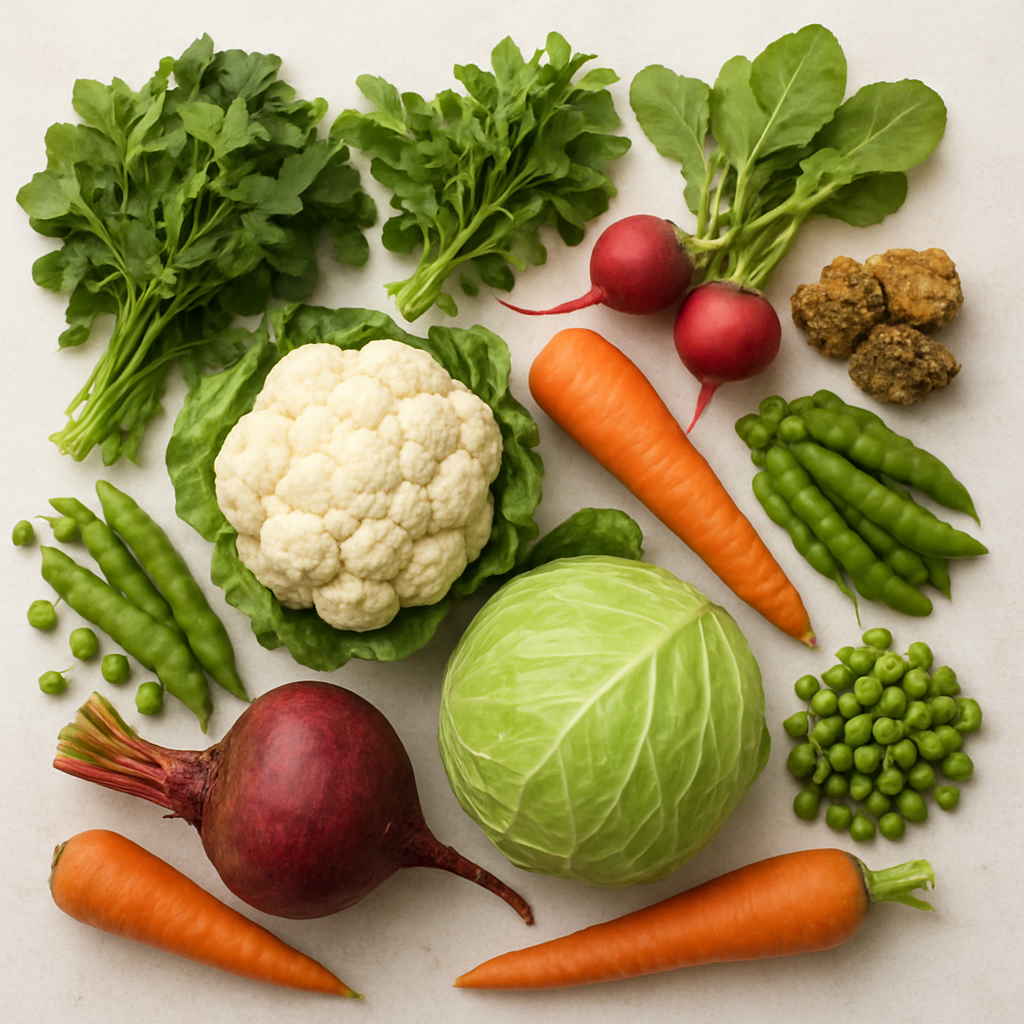
Winter brings hearty produce, warming dishes, and celebratory meals that nourish and comfort during the cold months.
Table of Contents
Discover the winter food and drinks for healthy living including traditional Indian winter dishes and Christmas special foods. Stay warm and healthy with seasonal eating.
Indroduction
Winter is a season of comfort, warmth, and delicious food. During winter, our body needs more energy, immunity, and nourishment to fight cold weather. The winter food and drinks helps to keep us warm, boost immunity, and improve digestion. In India, winter also brings festive joy with Christmas celebrations, special dishes, and warm drinks. Let me walk you through the fascinating world of winter season food and drinks.
The Winter Food and Drinks For healthy Living
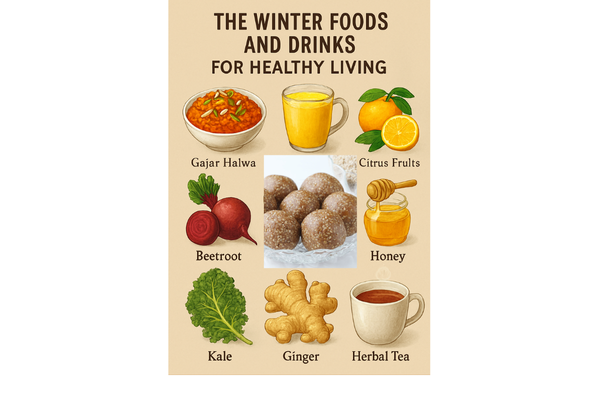
Winter vegetables
1.Green Peas: (मटर)-The Sweet Garden Gems .Nutritional Powerhouse
The Sweet Garden Gems :Nutritional Powerhouse
Green peas are one of the most loved winter vegetables, known for their sweet taste, bright green col0ur, and high nutritional value. Fresh peas are abundant in winter and are used in a variety of Indian dishes.
Health benefits
- Rich in Protein – Great vegetarian protein source.
- High in Fiber – Improves digestion and supports gut health.
- Packed with Vitamins A, C & K – Boosts immunity and improves skin health.
- Contains Antioxidants – Helps fight inflammation.
- Good Source of Iron & Folate – Supports energy levels and blood health.
- The antioxidants in green peas, particularly lutein and zeaxanthin, support eye health.
Receipes
Fresh green peas add sweetness and colour to countless dishes. You can eat them raw as a snack, add them to salads, or cook them in curries and stir-fries.
you surely love to add to rice dishes in the last few minutes of cooking. Frozen peas work great too and often retain more nutrients than fresh ones that have been stored for days.
- Matar Paneer
- Green Peas Pulao / Matar Pulao
- Aloo Matar Curry
- Matar Kachori
- Green Peas Soup
- Matar Paratha
- Dry Matar Sabzi
2.Cabbage: (पत्ता गोबी)-The Cruciferous Champion
Cabbage comes in several varieties –green, red, and savoy being the most common. Green cabbage has a mild, slightly sweet flavour, while red cabbage is more peppery. Savoy cabbage has crinkled leaves and a more delicate taste. Each type brings different textures and flavours to your cooking. Other varieties –Pointed cabbage (sweetheart/cone head)conical shape with loose tender leaves sweeter than round cabbages .Napa cabbage(Chinese cabbage)elongated pale green, crinkly tender leaves with sweet mild taste.
Health benefits
- Vitamin C – Boosts immunity and helps fight winter infections.
- Vitamin K – Supports bone health and proper blood clotting.
- Vitamin A – Good for eye health and skin.
- Vitamin B6 & Folate (B9) – Helps brain function and red blood cell formation.
- Improves Digestion–High in dietary fiber, which promotes good digestion and prevents constipation.
- Boosts Immunity-Antioxidants and vitamin C strengthen the immune system during winter.
- Supports Heart Health–Helps reduce bad cholesterol and supports healthy blood pressure.
- Aids Weight Loss–Very low in calories and high in fiber, keeping you full for longer.
- Anti-Inflammatory Properties–Contains antioxidants that help reduce inflammation in the body.
Receipes
Raw cabbage adds crunch to salads. Cooked cabbage works well in soups, stews, and stir-fries.
- Cabbage sabzi
- Cabbage paratha
- Cabbage soup
- Cabbage salad
- Cabbage stir fry
- Gobi manchurian
3.Palak (Spinach):पालक-The Iron-Rich Green Powerhouse
There are several varieties of spinach available. Smooth-leaf spinach is best for cooking, while curly-leaf varieties work well in salads. Baby spinach has tender leaves perfect for raw consumption.
Health benefits
- Rich in Iron – Helps in improving hemoglobin levels.
- High in Vitamins A, C & K – Boosts immunity and supports eye and bone health.
- Good Source of Fiber – Aids digestion and keeps you full.
- Low in Calories – Ideal for weight loss diets.
- Packed with Antioxidants – Protects cells from damage
- One cup of cooked spinach provides about 6.4 mg of iron – that’s about 36% of the daily requirement for women
Recepies
Spinach is incredibly versatile in the kitchen. It can be eaten raw in salads, sautéed with garlic, added to smoothies, or incorporated into curries and pasta dishes. When cooking, remember that spinach reduces dramatically in volume – one pound of fresh spinach cooks down to about one cup. The key is not to overcook it.
- Palak Paneer
- Dal Palak
- Palak Paratha
- Palak Soup
- Palak Rice / Palak Pulao
4.Cauliflower-(फूलगोबी)-
Cauliflower is a popular winter-season vegetable rich in essential nutrients and loved for its mild flavor and versatility in Indian cookng,
Health Benefits
- Rich in Vitamin C – Boosts immunity and fights winter infections
- High in Fiber – Supports digestion and promotes gut health.
- Low in Calories – Helps in weight management.
- Contains Antioxidants – Protects against inflammation.
- Good Source of Folate – Important for cell growth and brain health.
Receipes
- Roasted Cauliflower
- Cauliflower Soup
- cauliflower Fry / Sabzi with Aloo
4.Hurda-(हुर्दा ) (Tender Jowar / Sorghum Shoots)
Hurda is a delicious and traditional winter delicacy from Maharashtra, especially enjoyed in rural regions like Pune, Solapur, and Marathwada. It is made from tender, freshly harvested jowar grains that are roasted over a fire and eaten hot.
What is Hurda?
Hurda are small, soft grains of sorghum that are harvested before they are fully ripe.
हुर्दा ज्वार के छोटे, मुलायम दाने होते हैं जिन्हें पूरी तरह पकने से पहले काटा जाता है।
- It has a sweet, smoky, and buttery flavour when roasted)(भूनने पर इसका मीठा, धुएँ जैसा और मक्खन जैसा स्वाद होता है।)
- It is usually enjoyed during Hurda parties in winters, where fresh Hurda is roasted and served with chutney,(आमतौर पर सर्दियों में हुर्दा पार्टियों के दौरान इसका आनंद लिया जाता है, जहाँ ताज़ा हुर्दा भूनकर चटनी के साथपरोसा जाता है)
Health Benefits
- Rich in Fiber – Aids digestion.
- Gluten-Free – Safe for people with gluten sensitivity.
- Source of Antioxidants – Good for immunity.
- Low in Fat – Helps in weight management.
- Provides Minerals – Contains iron, magnesium, and proteins
Receipes
Hurda is served with
- Groundnut chutney (शेंगदाण्याची चटणी)
- Dry garlic chutney (लसूणाची खोडी)
- Curd / Buttermilk
- Ghee + Jaggery
- Onion, lime, and salt
- Bajra bhakri or jowar bhakri
Hurda party
- Fresh hurda is roasted in open fields
- People gather to enjoy hurda with chutneys
- Folk music, fun, and farming culture are celebrated
- It marks the beginning of the jowar harvest season
5.Harbara – (हरबरा)-Fresh Green Chickpeas
Fresh Green Chickpeas
Harbara ,also known as fresh green chickpeas or hara chana, is a popular winter-season crop found mainly in India. It comes in green pods and is enjoyed both raw and cooked for its fresh, earthy taste.
Health Benefits
- Rich in Protein – Excellent plant-based protein, great for muscle health.
- High in Fiber – Supports digestion and prevents constipation.
- Loaded with Vitamins & Minerals – Especially B vitamins, iron, and magnesium.
- Good for Blood Sugar Control – Low glycemic index food.
- Boosts Immunity – Fresh seasonal produce improves overall health
How Harbara is eaten
- Raw – Fresh pods are cracked open and eaten as a winter snack.
- Roasted – Pods are roasted on fire or tawa—very tasty.
- Boiled – Lightly boiled with salt and spices.
- Cooked Sabzi – Made with onions, tomatoes, and basic spices.
- Harbara Chaat – Mixed with lemon, onion, chilli, and salt.
Receipes
- Harbara Usal
- Harbara Chaat
- Harbara Sabzi
- Mixed Vegetable with Harbara
- Green Chana Pulao
Fenugreek-मेथी-(Methi)-Powerhouse of vegetables
Fenugreek leaves, commonly known as Methi, are a highly nutritious winter leafy vegetable in India. They are rich in fiber, iron, calcium, and antioxidants.
Health Benefits:
- Helps control blood sugar levels
- Improves digestion
- Reduces inflammation and joint pain
- Strengthens bones
- Promotes healthy skin and hair
Recipes
- Methi leaves are used in methi paratha,Methi dal,Aloo Methi methi sabzi, thepla, dal, and curries. Both fresh leaves and dried kasuri methi add flavor and nutrition.
- Methi is best consumed in winter as it boosts immunity and supports health naturally..
Root Vegetables: The Underground Champions
Root vegetables are the backbone of winter cooking, storing energy deep underground to survive the harsh months.
Carrot-(गाजर)- Nutritional powerhouse
Cold enhances sweetness: Carrots stored in cold ground convert starches to sugars, making winter carrots sweeter than summer ones.
Health Benefits
- Improves eyesight
- Enhances skin glow
- Rich in antioxidants
- Good for heart health
- Winter carrots contain higher levels of beta-carotene, which our bodies convert to vitamin A for better immune function
Recipes

- Winter carrots are sweet and ideal for both main dishes and desserts.
- Gajar ka Halwa, Carrot Soup, Carrot Salad
Radish
Radish, also known as Mooli, is a popular winter vegetable in India. It is low in calories and rich in fiber, Vitamin C, and antioxidants.
Health Benefits:
- Improves digestion
- Boosts immunity
- Helps detoxify the liver
- Supports weight loss
- Good for heart health
Recipes
- Radish is used in salads, sabzi, paratha, sambar, and soups. Radish leaves are also edible and highly nutritious.
- Radish is best consumed in winter as it is fresh, crunchy, and easy to digest during this season.
Winter Drinks
1.masala chai
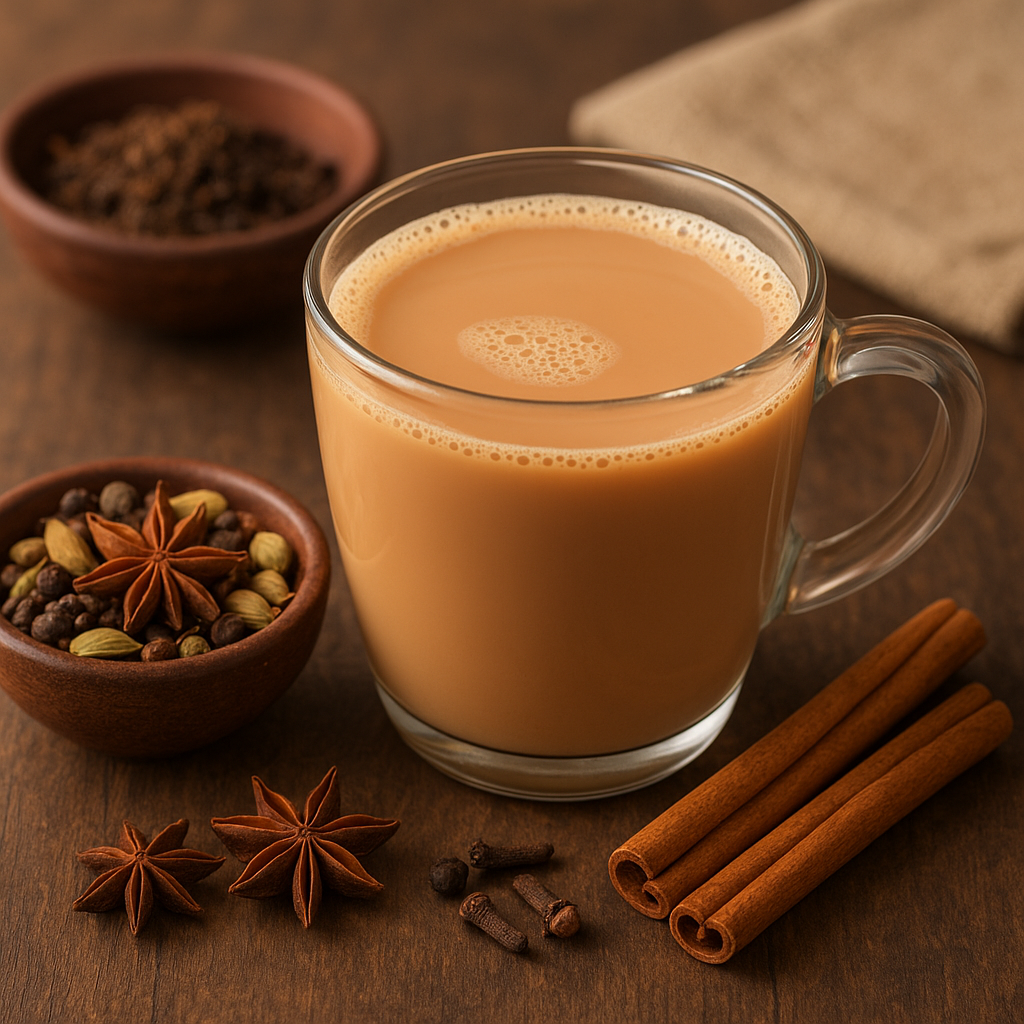
Prepared with ginger, cinnamon, cardamom, and cloves.
Benefits:
- Keeps body warm
- Reduces cold and cough
- Improves digestion
- Boosts immunity
2.Turmeric Milk
- Turmeric Milk
- Natural anti-inflammatory
- Boosts immunity
- Promotes skin healing
3.kahwa
Traditional Kashmiri herbal tea.
Benefits:
- Boosts metabolism
- Relieves stress
- Improves digestion
- Enhances heart health
4,Tulsi-Ginger Herbal Tea
A powerful immunity booster.
Benefits:
- Fights cold & sore throat
- Cleanses respiratory system
- Reduces inflammation
- Strengthens immunity
5. Warm Lemon-Honey Water
Perfect for morning detox.
Benefits:
- Aids digestion
- Boosts metabolism
- Improves hydration
- Supports weight loss
6. Carrot–Beetroot Juice
A nutrient-packed winter drink.
Benefits:
- Enhances blood circulation
- Improves skin brightness
- Boosts stamina
- Detoxifies liver
7. Saffron Milk (Kesar Doodh)
A rich and warming winter drink.
Benefits
- Enhances mod
- Promotes skin glow
- Improves sleep
- Strengthens bones
Christmas Food and Drinks in India
In India, Christmas is celebrated with both traditional and modern vegetarian dishes.
Popular Vegetarian Christmas Foods in India
- Eggless fruit cake and plum cake
- Vegetable cutlets and samosas
- Paneer curry and vegetable pulao
- Coconut sweets and bakery biscuits
Vegetarian Christmas Drinks in India
- Hot chocolate
- Spiced milk with cardamom and cinnamon
- Badam milk
- Fruit mocktails
Winter Diet Tips for Better Health
- Include green leafy vegetables daily
- Prefer warm soups regularly
- Drink herbal teas instead of cold beverages
- Replace sugar with jaggery
- Stay hydrated even in cold weather
- Add seasonal fruits like amla, orange, guava
Conclusion
Winter is the perfect season to nourish your body with rich, natural, and fresh foods. Seasonal vegetables and warm drinks not only keep you warm but also strengthen immunity, improve digestion, and enhance skin health. By adding winter vegetables and healthy beverages to your daily routine, you can maintain energy and protect yourself from common winter health issues.
FAQs – Winter Season Food and Drinks
1. Why is winter season food important for health?
Winter season food is important because it helps keep the body warm, boosts immunity, and provides energy during cold weather. Seasonal foods are fresh, nutritious, and easier to digest in winter,
2. What are the best foods to eat during winter?
The best winter foods include seasonal vegetables like carrots, spinach, cabbage, cauliflower, radish, and green peas. Dry fruits, nuts, whole grains, and warm cooked meals are also ideal for winter.
Fruits like oranges, apples, guava, pomegranate, and strawberries are good for winter. They are rich in vitamins and help improve immunity.
4. What are healthy winter season drinks?
Healthy winter drinks include hot milk, herbal tea, ginger tea, turmeric milk, soups, hot chocolate (in moderation), and warm fruit drinks like apple cider.
5. Can we drink cold drinks in winter?
It is better to avoid cold drinks in winter as they can cause throat irritation and weaken digestion. Warm or room-temperature drinks are healthier during the winter season.
6. How do winter foods help boost immunity?
Winter foods like vegetables, fruits, spices, and nuts are rich in vitamins, minerals, and antioxidants. They help protect the body from colds, coughs, and infections.
7. Are soups good for winter?
Yes, soups are excellent for winter. Vegetable soups, lentil soups, and clear soups keep the body warm, provide nutrition, and improve digestion.
8. What spices are commonly used in winter food and drinks?
Spices like ginger, garlic, turmeric, black pepper, cinnamon, and cloves are commonly used in winter. They provide warmth and help boost immunity.
9. Is vegetarian food good for winter?
Yes, vegetarian food is very good for winter. Seasonal vegetables, legumes, dairy products, and nuts provide enough nutrition and energy during cold weather.
In winter, it is best to avoid very cold foods, excess junk food, and highly processed items. These can weaken digestion and immunity.
11. How much water should we drink in winter?
Even in winter, the body needs enough water. Drink lukewarm water regularly to stay hydrated and maintain good digestion.
12. Are winter desserts healthy?
Winter desserts made with natural ingredients like jaggery, nuts, dry fruits, and milk can be healthy when eaten in moderation.
13. What are popular winter festival foods?
Popular winter festival foods include Christmas cakes, hot beverages, roasted snacks, traditional sweets, and seasonal vegetable dishes.
14. Can winter drinks help with cold and cough?
Yes, drinks like ginger tea, turmeric milk, and herbal teas can help relieve cold, cough, and sore throat during winter.
15. What is the most popular vegetarian Christmas dish globally?
Vegetarian roasts, eggless cakes, vegetable casseroles, and nut-based dishes are popular worldwide.